15 February 2026
2026 Solar Rebate Guide for Tasmania
A complete guide to solar rebates and incentives available to Tasmanian homeowners in 2026, including STCs, feed-in tariffs, interest-free loans, and the federal battery subsidy.
By Maximum Solar Team
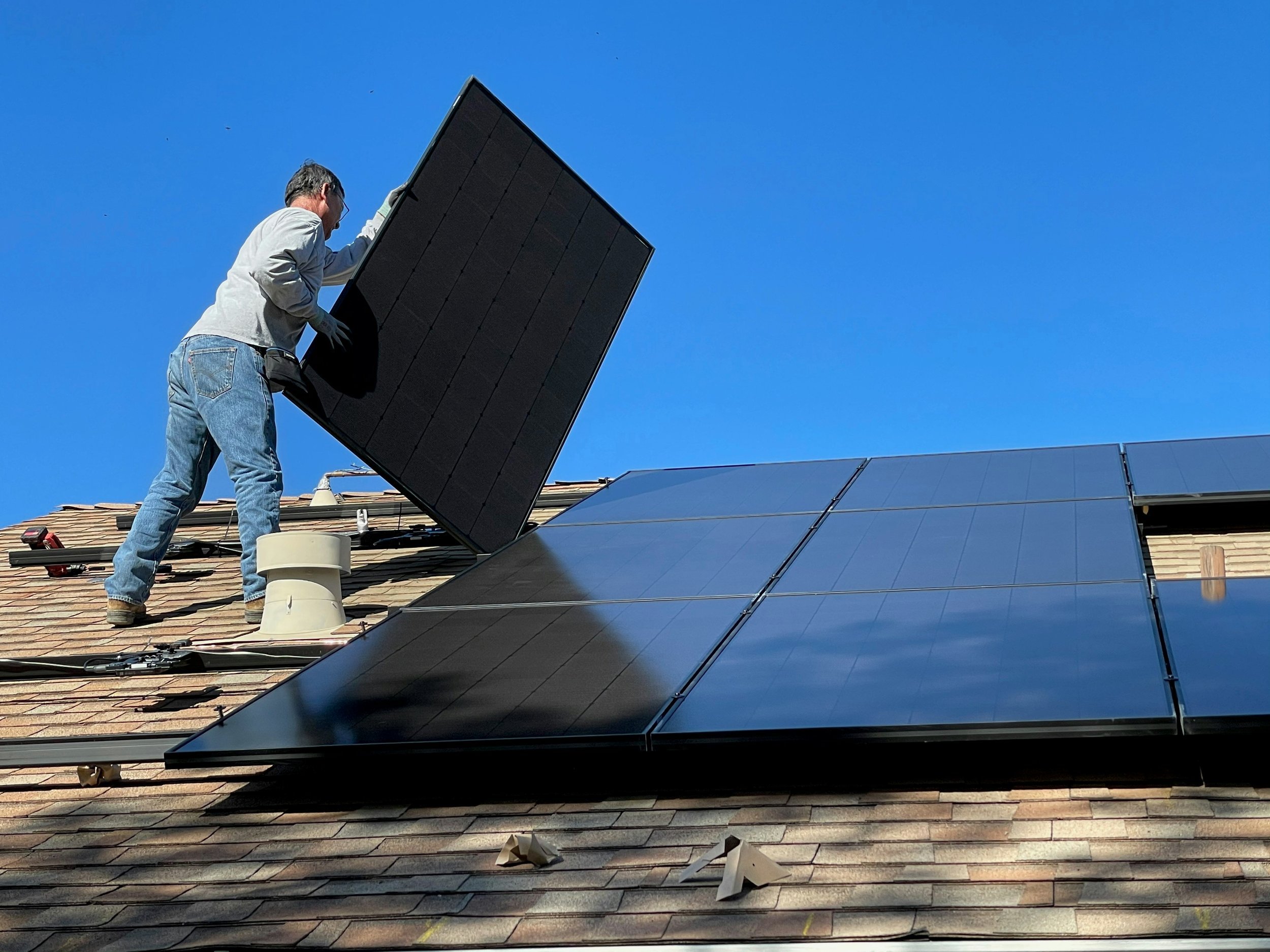
If you’ve been thinking about going solar and wondering what financial help is available in Tasmania right now, you’re in the right place. Government incentives and rebates can significantly reduce the upfront cost of a solar system — but they change regularly, and a lot of the information floating around online is outdated. This guide reflects what’s available in 2026.
The Federal Rebate: Small-Scale Technology Certificates (STCs)
The biggest financial incentive available to Tasmanian homeowners and businesses is the federal government’s Small-scale Technology Certificates scheme, administered under the Renewable Energy Act. When you install an eligible solar system, you receive a set number of STCs based on the size of your system and your location’s solar zone.
Here’s how it works in practice: the STCs are essentially a discount applied at the point of sale. Rather than receiving a cheque after installation, your solar installer (like us) claims the certificates on your behalf and passes the value back to you as a reduction in your quoted price. You never have to do anything to access this benefit — it’s built into every legitimate solar quote you receive.
The value of each STC fluctuates based on market demand, but in 2026 it typically sits between $35 and $40 per certificate. For a standard 6.6kW residential system in Tasmania, this translates to a rebate in the range of $2,500–$3,500 depending on current certificate pricing.
Important: The STC scheme is being phased out progressively. The number of certificates issued per system reduces each year by a fixed percentage, and the scheme is scheduled to end in 2030. This means the rebate available today is higher than it will be in 2027, 2028 or 2029. There is a real financial advantage to installing sooner rather than later.
Feed-In Tariff: Getting Paid for Excess Solar
Once your system is installed, any electricity your panels generate that you don’t use on the spot is exported to the grid. Aurora Energy — Tasmania’s main electricity retailer — pays you a feed-in tariff for this exported energy.
In 2026, Aurora Energy’s feed-in tariff for solar customers is in the range of 5–8.5 cents per kWh depending on your tariff structure. This is lower than it was in earlier years, which is why system design matters — the goal today is to maximise self-consumption (using your solar energy directly rather than exporting it) rather than relying on feed-in income.
A well-sized system, combined with smart usage habits or battery storage, can dramatically improve your self-consumption rate and therefore your overall savings.
Interest-Free Loans for Eligible Tasmanians
The Tasmanian government has supported several interest-free loan programs for energy efficiency and solar upgrades. Eligibility criteria and available funds change periodically — we recommend checking current availability at the time you’re ready to install, as these programs can open and close based on funding rounds.
At Maximum Solar, we’re across the current eligibility requirements and can advise you at your free consultation whether you qualify and how to access it.
Battery Rebates: The Federal Cheaper Home Batteries Program
In 2025, the Australian federal government launched the Cheaper Home Batteries Program, which provides a subsidy for battery storage systems installed alongside solar. This program significantly improves the economics of adding battery storage to your home.
The subsidy is applied directly to the installation cost, similar to how STCs work — your installer claims it on your behalf. The amount varies depending on battery size, but for a typical home battery like the Tesla Powerwall, the saving is substantial.
This program has made battery storage more accessible than it’s ever been, and we’re seeing strong uptake from Tasmanian homeowners who want to store their solar energy for evenings and reduce their reliance on Aurora Energy altogether.
What This Means for Your Total Cost
To give a rough illustration: a 6.6kW solar system with a quality battery in Tasmania in 2026, after applying the STC rebate and battery subsidy, can come in at a cost that pays itself back in under 5–7 years — then generates free energy for 20+ years beyond that.
Every household is different. Your bill size, roof orientation, usage patterns, and whether you’re in Hobart, Launceston or the north-west all affect the exact numbers. The best way to get an accurate picture is a free consultation with our team — we’ll model your specific situation and show you exactly what you’re entitled to.