15 March 2026
How Much Can a Launceston Home Save With Solar?
A detailed breakdown of solar savings for Launceston homeowners — covering typical electricity bills, real-world generation figures, battery storage benefits, and payback periods.
By Maximum Solar Team
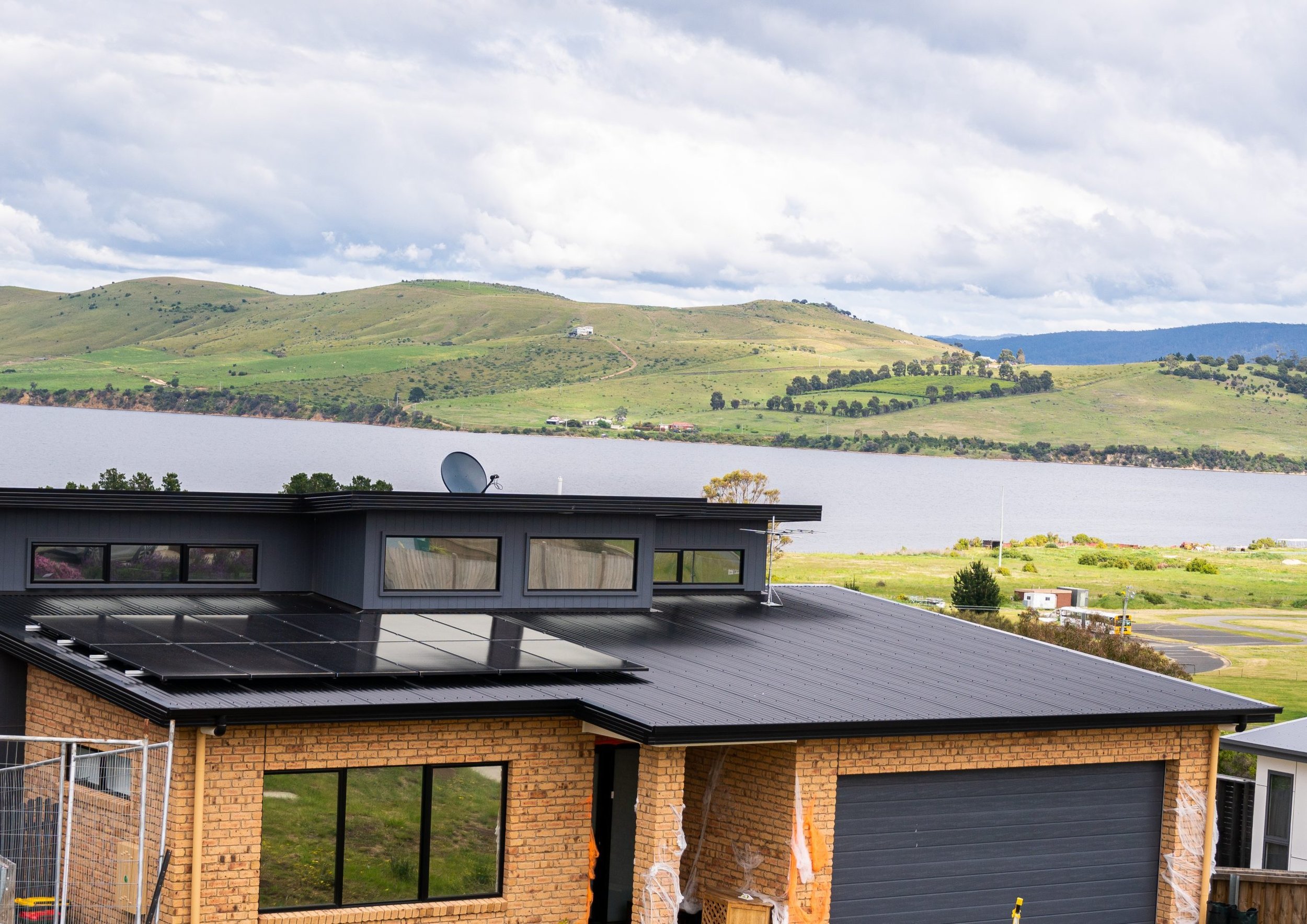
If you’re a Launceston homeowner looking at solar, the first question on your mind is almost certainly: how much will I actually save? It’s the right question to ask, and the answer depends on a few factors specific to your home and household. Let’s break it down properly.
Launceston’s Solar Potential
Launceston sits at roughly 41 degrees south latitude, which gives it a solar profile that surprises most people. The city averages around 4.2 peak sun hours per day across the full year — a figure that’s comparable to many parts of mainland Australia that are considered strong solar markets.
The Tamar Valley geography means Launceston often experiences morning frost cleared by mid-morning sun, followed by strong solar hours through the middle of the day. That pattern — cool, clear afternoons — is actually ideal for solar panels, which perform best in cooler temperatures.
What Does the Average Launceston Household Pay for Electricity?
Aurora Energy’s residential electricity rates in Launceston put the average quarterly bill for a typical 3–4 bedroom home in the range of $500–$900, depending on usage, heating habits and whether the home has older heating systems running on electricity.
Homes with electric heating (heat pumps, panel heaters or older storage heaters) tend to be on the higher end of that range and are often the best candidates for solar because their daily consumption is high enough to make a larger system worthwhile.
A Real-World Savings Example
Let’s take a typical Launceston home as an example:
- 3-bedroom house, couple with two kids
- Quarterly electricity bill: around $650
- Annual electricity spend: approximately $2,600
- Daily consumption: roughly 18–22 kWh
For a home with this profile, a 6.6kW solar system in Launceston would generate approximately 22–26 kWh per day on average across the year. Given that a significant portion of a household’s usage happens during daylight hours (dishwasher, washing machine, hot water system, running appliances), a well-timed system could cover 50–65% of total electricity consumption directly.
The result: an annual electricity bill reduction in the range of $1,300–$1,800 per year. At current system pricing (after STC rebates), that points to a payback period of roughly 4–6 years — after which the energy is essentially free for the remaining 20+ year life of the panels.
What If You Add a Battery?
Adding a battery storage system — such as the Tesla Powerwall or a Sungrow hybrid setup — changes the picture significantly for households with higher evening usage. Without a battery, excess solar generated during the day that you don’t use gets exported to the grid at around 5–8.5 cents per kWh (the feed-in tariff). With a battery, you store that energy instead and use it at night, displacing grid electricity that costs you around 28–32 cents per kWh.
For a Launceston household that uses more power in the evenings, adding a battery can push annual savings to $2,000–$2,500 or more, and with the federal Cheaper Home Batteries Program subsidy now available, the payback period on the battery itself has shortened considerably.
Factors That Affect Your Specific Savings
No two homes are identical, and your actual savings depend on:
- Roof orientation — north-facing is optimal in Launceston, but east-west split systems also perform strongly and can provide more consistent generation across the day.
- Shading — mature trees, neighbouring buildings, or chimneys that cast shadows during peak hours can reduce output. Our team does a full site assessment before recommending any system.
- Usage patterns — if you or someone in your household is home during the day, self-consumption rates are naturally higher, which means better savings without needing a battery.
- System size — bigger isn’t always better, but undersizing is a common mistake. We model your actual consumption before recommending a system size.
Get a Number for Your Specific Home
The figures above are illustrative — every home is different. The best way to get an accurate savings estimate tailored to your Launceston home is to book a free in-home consultation with our Launceston team. We’ll review your actual power bills, assess your roof, and give you a real number you can make a decision on.