16 June 2026
How Much Can Solar Really Save a Tasmanian Household?
What does residential solar actually save a Tasmanian household? We break down where the savings come from, typical figures, payback periods and how we size a system around your bill.
By Maximum Solar Team
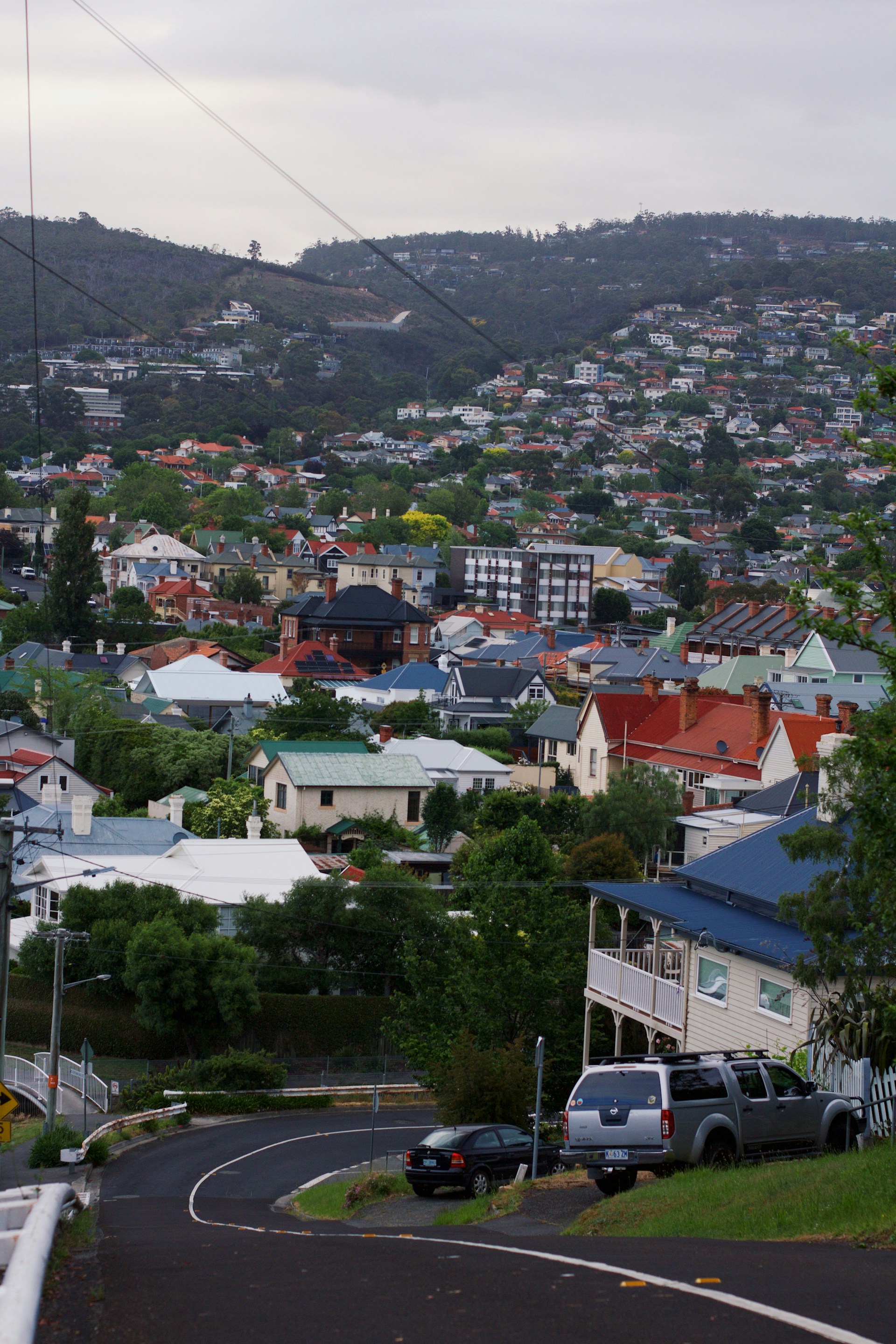
Every solar conversation we have with a Tasmanian homeowner eventually arrives at the same question: “okay, but what will it actually save me?” It’s the right question — and it deserves a better answer than a glossy brochure number. So here’s how residential solar savings really work in Tasmania, where the money comes from, and how we calculate a genuine figure for your home rather than a hypothetical one.
Where Solar Savings Actually Come From
A solar system saves you money in two distinct ways, and understanding the difference is the key to a well-designed system.
1. Electricity you don’t buy
Every kilowatt-hour your panels generate and your home uses directly is a kilowatt-hour you don’t purchase from the grid at full retail rates. This is the most valuable kind of solar energy — it offsets electricity at the price you’d otherwise pay, which makes self-consumption the engine of your savings.
2. Electricity you sell back
Whatever you don’t use gets exported to the grid, earning a feed-in credit on your bill. The credit is real money, but it’s well below the retail rate — which is exactly why we design systems around how your household actually uses power, not just around the size of your roof.
What Do the Numbers Look Like?
Every home is different, but as a guide: a well-sized residential system on a typical Tasmanian family home commonly cuts the annual power bill by somewhere in the four figures, with payback periods that have shortened considerably as power prices have risen and system costs have come down. Households with daytime usage — heat pumps, home offices, pool pumps, EV charging — sit at the strong end of the range, because more of their solar gets self-consumed at full value.
We deliberately won’t print a single ‘average saving’ here, because averages sell systems and disappoint customers. What we will do is model your actual savings before you spend a cent — using your real power bills, your roof orientation, and Tasmanian weather data rather than mainland assumptions. The figure we quote is the figure the system is designed to deliver.
How We Maximise Your Savings, Not Just Your System Size
- Right-sizing: the cheapest system isn’t the smallest one — it’s the one sized so its output matches your usage patterns. We design from your bill backwards.
- Quality hardware: we install panels and inverters built to keep performing in Tasmanian conditions for decades, because savings only accrue while the system works.
- Rebates handled for you: federal incentives knock thousands off the upfront cost, and we manage the entire claim process within your quote.
- Monitoring included: you’ll see your generation and savings in an app, so the system’s performance is never a mystery.
The Habits That Multiply Your Savings
Once the system is on the roof, a few free habits push the numbers further: run the dishwasher, washing machine and heat pump during daylight hours, schedule appliance timers around the solar window, and charge devices (and vehicles) while the sun’s up. Shifting even a third of your evening usage into the day can noticeably improve your annual result — and it costs nothing.
And After the Payback Period?
This is the part that gets forgotten. Once a system has paid for itself, it doesn’t stop — quality panels are warranted for 25 years and keep producing beyond that. Everything after payback is profit: years of substantially reduced bills, protection against future price rises, and a home that’s worth more on the market. Solar isn’t a purchase that saves money. It’s an asset that produces it.
Frequently Asked Questions
How long does solar take to pay for itself in Tasmania?
It depends on system size, usage and tariff, but payback periods for well-designed residential systems in Tasmania are typically in the mid-to-high single digits of years — over a 25-year asset life. We calculate your specific payback as part of every quote.
Does solar work well enough in Tasmania’s climate to be worth it?
Yes. Panels run on daylight, not heat — and actually perform more efficiently in cool temperatures. Our savings models are built on Tasmanian weather data, so cloudy days are already priced in.
How do I find out what solar would save my home?
Send us a recent power bill and we’ll model your savings properly — system size, generation, payback and annual savings, based on your actual usage. It’s free and there’s no obligation.
Want your real number, not a brochure number? Send us your latest power bill and we’ll show you exactly what solar would save your household.