15 January 2026
Solar in Autumn: Does Solar Still Work When It's Cloudy?
One of the most common questions from Tasmanians thinking about solar is whether it works on cloudy days. The short answer is yes — here's why, and what to expect in autumn.
By Maximum Solar Team
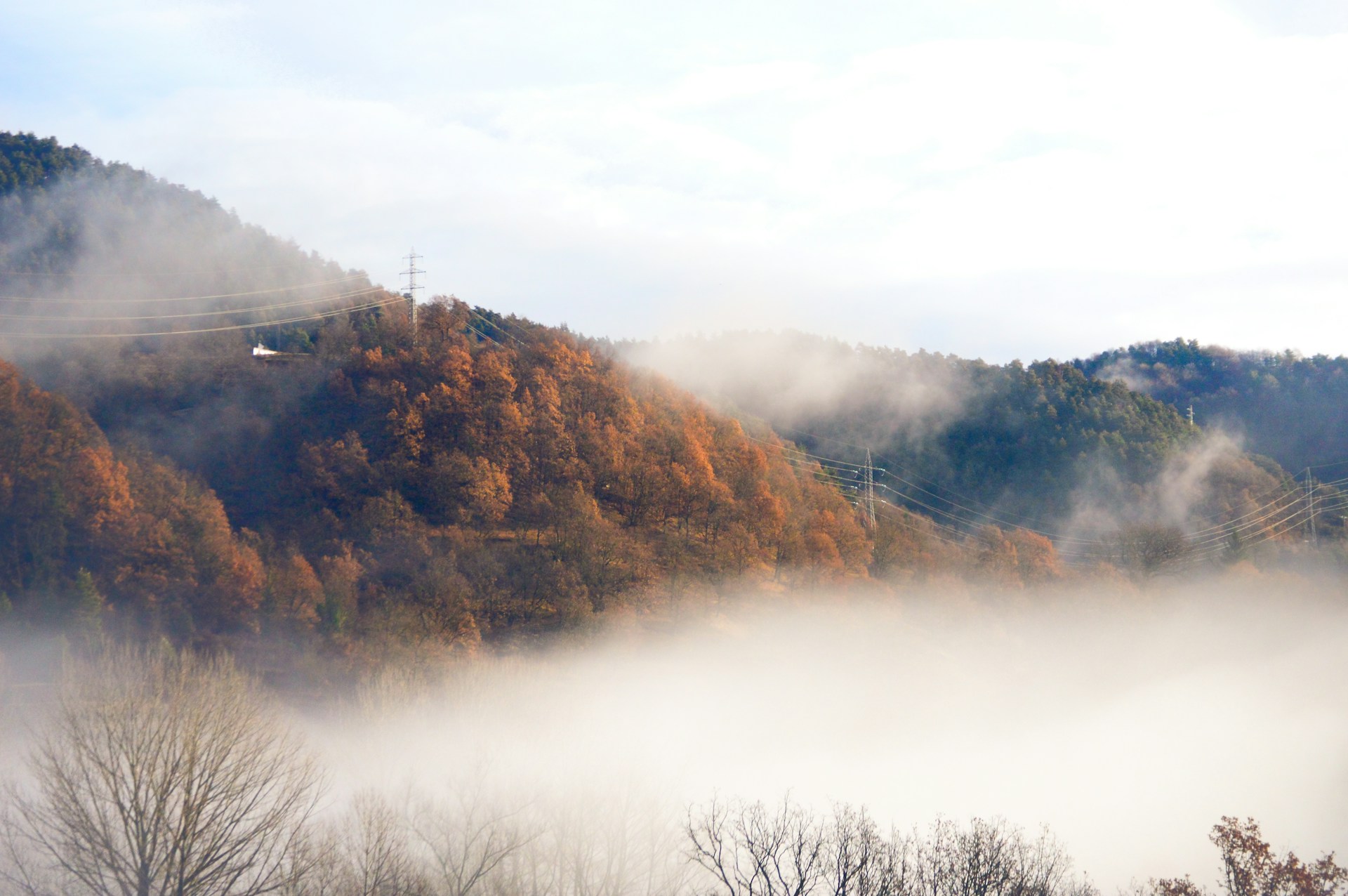
One of the most common questions we hear from Tasmanians thinking about solar is: “But what about all the cloudy days?” It’s a fair question. Tasmania is not Queensland. We get our share of grey skies, especially heading into autumn and winter — so it’s worth giving an honest answer.
The short version? Yes, solar absolutely still works on cloudy days. Here’s why.
How Solar Panels Actually Generate Power
Solar panels generate electricity from daylight, not direct sunlight. They use photons — particles of light — to knock electrons loose in the silicon cells within the panel, creating an electrical current. This process still happens even when the sun is obscured by cloud cover.
What changes on cloudy days is the intensity of light reaching the panels, not whether it’s there at all. On a heavily overcast day, your panels might produce 10–25% of their peak output. On a lightly cloudy or partly cloudy day, you might see 50–80% of normal production. And occasionally — particularly when clouds are moving fast — you can get a “lens effect” where sunlight is briefly amplified as it passes through the cloud edge, temporarily pushing output above what you’d see on a perfectly clear day.
What the Data Actually Shows for Tasmania
Tasmania’s reputation for gloomy weather is somewhat exaggerated. According to Bureau of Meteorology data, Hobart averages around 4.5 peak sun hours per day across the full year, and Launceston averages around 4.2. For context, Melbourne — one of Australia’s sunnier cities — averages around 4.6. The difference is smaller than most people expect.
What Tasmania does have is variability — clear mornings followed by afternoon cloud, or sudden weather changes that don’t stick around. This kind of weather can actually be well-suited to solar, because panels are often running at strong output during the clear periods and still generating usefully during the overcast stretches.
Autumn Specifically — What to Expect
Autumn in Tasmania (March through May) is generally one of the better solar seasons. The humidity drops after summer, which actually improves panel efficiency — solar panels perform better in cooler temperatures than in heat. Autumn also tends to bring more stable weather patterns than the dramatic summer storms or deep winter cloud cover.
A typical Hobart home with a 6.6kW system might generate around 20–25 kWh on a clear autumn day, and 8–14 kWh on an overcast one. Over the course of a month, this adds up to meaningful bill savings even without a single perfectly sunny day.
Batteries Help You Make the Most of Variable Days
If your household uses a lot of energy in the morning and evening — common in Tasmania’s cooler months when heating loads are higher — a battery storage system is worth considering. On a partly cloudy autumn day, your panels may generate a good chunk of energy during the clearer hours of the day while you’re at work. A battery stores that energy so you can use it when you get home rather than drawing from the grid.
The Sungrow hybrid inverter and Tesla Powerwall systems we install at Maximum Solar are designed specifically for this kind of variable generation environment. They continuously monitor production and consumption and manage the flow of energy automatically.
The Bottom Line
Tasmania is a genuinely good location for solar — not in spite of its climate, but because of the full picture. Cooler temperatures improve panel efficiency, autumn days are longer than most people realise, and even on cloudy days your system is generating. The economics stack up, and our installations across Hobart and Launceston are producing real savings for homeowners every day of the year, cloud cover and all.
If you’d like to see what a solar system could save your household specifically — accounting for your suburb, your usage, and the time of year — get in touch for a free consultation.